A personal blog · Singapore · Pasir Ris
The Uncle at the Next Table Who Told a Whole Block's History
28 October 2025 · Pasir Ris kopitiam
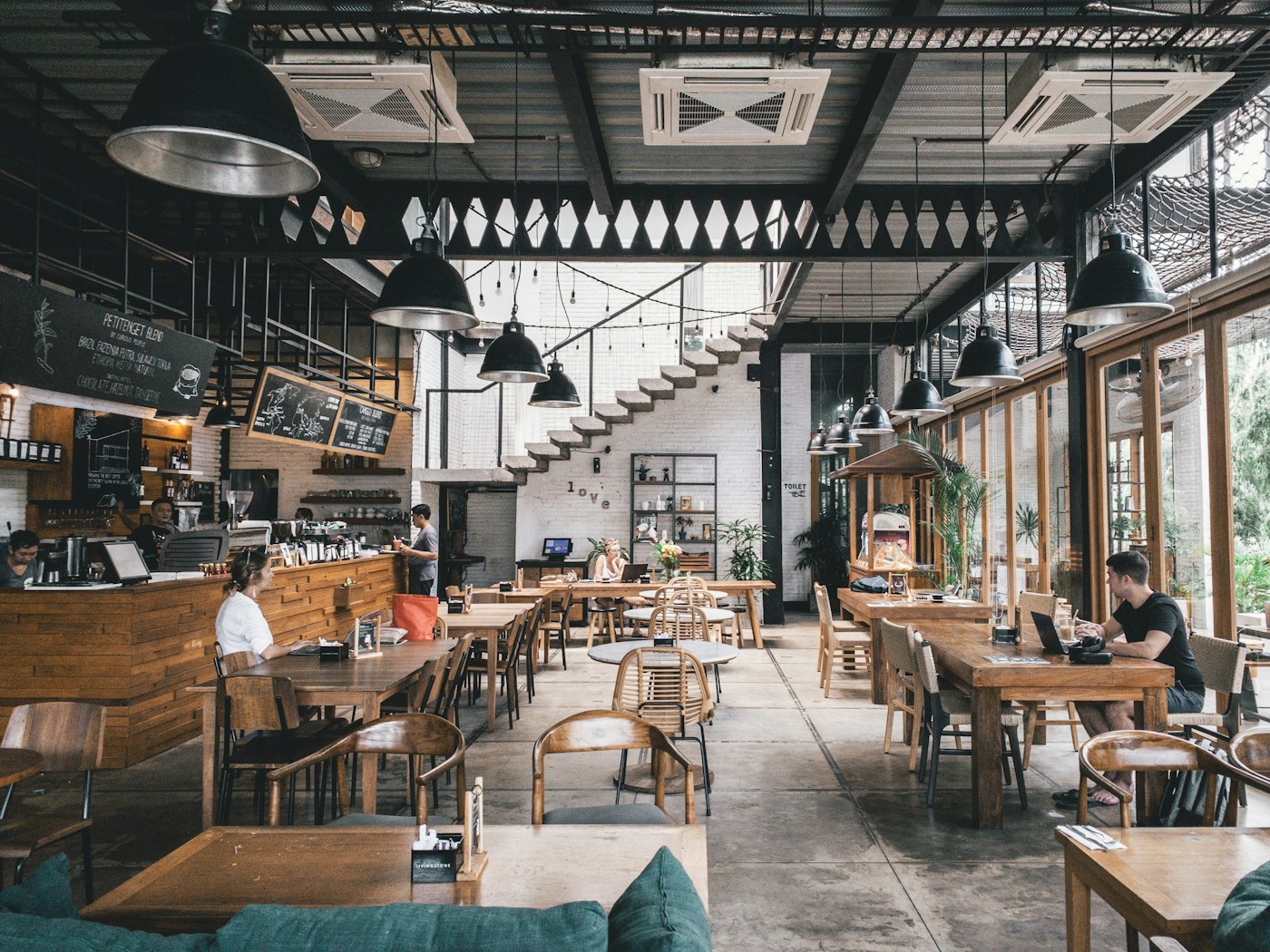
I had meant to read my phone and leave. That was the plan — order kopi, sit near the window, let twenty minutes pass like water through a grate. But the uncle two tables away had other ideas, though he never once looked at me.
He was talking to a younger man who might have been his son or might have been a nephew; I couldn't tell from where I sat. The younger one nodded a lot and stirred a cup that had gone cold. The uncle spoke with his hands — broad gestures that mapped streets I knew without naming them, tracing corners and void decks and a stretch of shophouses that, according to him, used to sell everything a block could need before the supermarkets arrived and flattened the habit of buying small.
There used to be a tailor on the ground floor, he said. Not the kind with a glass front and mannequins — a narrow shop where the uncle who ran it knew your mother's measurements from ten years back and would still ask after her even if she had moved to Johor. Next door, a provision stall with biscuits in tins and a scale that weighed sugar into brown paper bags. The kind of place where you sent a kid with a five-dollar note and trusted the change would come home correct.
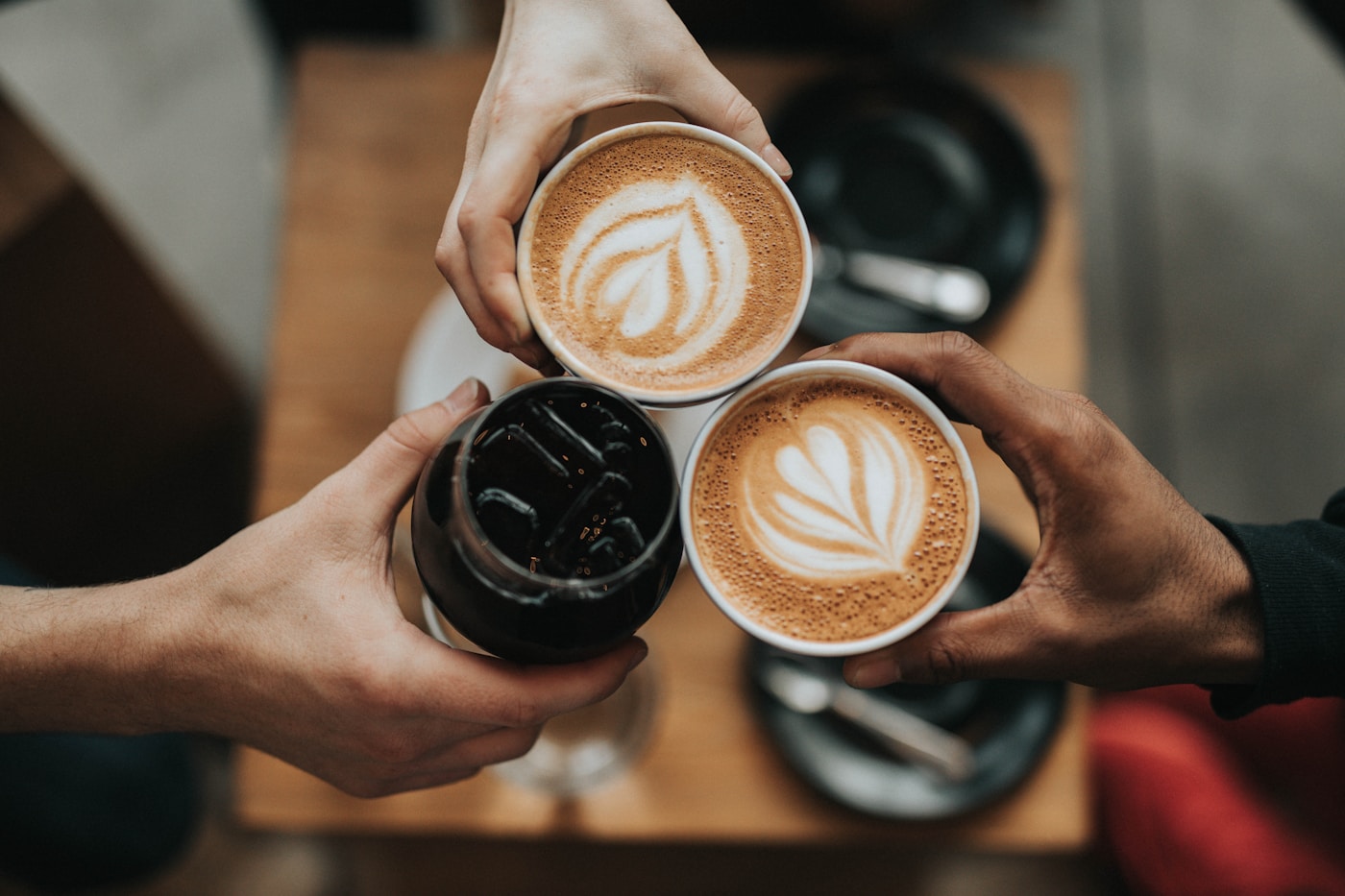
I stopped pretending to read. My kopi sat between my palms, warming them the way these places always do — not elegant warmth, just steady. Around us the kopitiam carried on its usual slipstream: trays clattering, aunties calling orders, the espresso machine hissing like it had somewhere urgent to be. But the uncle's voice cut through without raising itself, the way some stories do when they have been waiting inside a person long enough to know their own weight.
He talked about a fire — not dramatic, not cinematic. A kitchen upstairs, an old wiring job, smoke that turned the corridor grey before anyone understood what they were smelling. The tailor lost his rolls of fabric. The provision uncle retired to Malacca six months later because his lungs didn't like the stairwell anymore, even after the paint dried. Block committees came and went. Signboards changed. New shops opened with brighter lights and fewer memories.
The younger man asked whether anyone still remembered. The uncle laughed — a short, dry sound — and said remembering was cheap; keeping was expensive. That line sat with me. I wrote it on a napkin without thinking, then felt silly and put the napkin in my pocket anyway.
What struck me was how specific he was. Not "the old days were better," which is the kind of sentence people throw like a net over everything. He named the creak in the tailor's door. He described the provision uncle's habit of slipping extra White Rabbit sweets into a kid's bag when the parents weren't looking. He remembered the exact month the bubble-tea shop tried its luck and failed because the aunties said the cups were too big to hold properly on the walk home from the market.
I live in Pasir Ris. I walk past blocks like his every week. I know the new clinics and the chain bakeries and the unit that sells phone cases behind a roller shutter. I did not know — had never thought to know — what stood in the same footprint fifteen years ago. The uncle was not performing nostalgia. He was handing over coordinates for a place that still existed in his head, overlapping the present like tracing paper laid on tracing paper.
At one point he finally turned, not toward me but toward the window, and said to no one in particular that a neighbourhood shrinks when the people who remember stop talking. The younger man looked down at his cold kopi. I looked down at mine. The uncle paid the bill, stood, adjusted his cap, and left through the side door with the younger man half a step behind.
The table was wiped clean within minutes. Another family sat down. The kopitiam rolled forward on its same small wheels, unchanged except for the napkin in my pocket and the odd feeling that I had been given a kite string — thin, easy to miss — tied to something I couldn't see from where I stood.
I finished my cup. Walked home past blocks that looked exactly as they had an hour before and somehow didn't. At my lift lobby I unfolded the napkin. The ink had smudged where my thumb rested. I could still read enough.
Keeping is expensive, it said. I folded it again and put it on my desk between a bus receipt and a photo I haven't framed. Outside, someone's laundry moved on a line I can't see from here. The block hummed. I didn't go looking for the old tailor shop. I didn't need to. The uncle had already shown me where it lived — not in the floor plan, but in the current, still running under everything if you sit still long enough to hear it.